


Mosquitoes

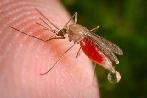
Mosquitoes are flying insects. They have two sets of wings and are quite small, generally between 4 and 10 millimetres in length. They have a specially developed proboscis (a feeding mouth part) that they use to bite through skin to suck blood. Mosquitoes feed on a range of birds and mammals including man. They are known as "vectors" because they can carry certain communicable diseases.
Information, Data and Reports for
-
Vectorborne diseases
- Zika virus infection
- Oropouche virus disease
- Publications
- Quarterly reports
- Chikungunya Fever
- Dengue fever
- Louse-borne Relapsing Fever
-
Lyme Disease
- People who take part in outdoor pursuits must protect against Lyme disease
- Lyme disease: Information for the public
- Factsheet
- Epidemiology
- Information for Healthcare Professionals
- Case definition
- Publications Lyme Disease
- Links
- News
-
Malaria
- News
- Leaflets and Posters
- Links to other resources on Malaria
- Malaria (Plasmodium falciparum, vivax, knowlesi, ovale, malariae)
- Information for healthcare professionals on Malaria
- Factsheet
- Guidance
- Epidemiology Data
- Visitors to malaria-affected areas must take appropriate advice and action following travel related deaths in UK
- Visitors to malaria hotspots must take necessary medication warns HPSC
- Publications
- Surveillance Forms
- Mosquitoes
- Tickborne diseases
- Tick-borne encephalitis
- Typhus
-
Viral Haemorrhagic Fevers
- Humanitarian Aid Workers
- VHF affected areas
- Viral Haemorrhagic Fever Guidance
- Publications
- Case Definitions
- Viral Haemorrhagic Fever Sub-Committee
- Links Viral Haemorrhagic Fevers
- Crimean-Congo haemorrhagic fever
- Ebola Virus Disease
- Lassa fever
- Marburg Virus Disease
- National Isolation Unit at the Mater Misericordiae University Hospital, Dublin
- West Nile Virus (WNV)
- Yellow Fever